Climate Near Windsor, ON: Area Climate and Monthly Conditions
Introduction of Windsor’s Area Climate
Windsor, ON stands in a unique corner of southwestern Ontario, where the Detroit River, Lake Erie, and the larger Great Lakes influence all influence everyday weather. The city’s regional climate is generally considered a humid continental climate, which means residents experience four clear seasons, noticeable seasonal temperature swings, and varying outdoor conditions throughout the year.
Because Windsor lies along the border and directly beside the riverfront, weather can turn fast with wind off the river, changing cloud cover, and moisture moving across the water. That riverfront influence is one reason Windsor often feels different from inland communities in Essex County. Areas closer to the waterfront may feel cooler in summer breezes or damper during cloudy periods, while neighbourhoods farther from the river can experience slightly different local climate conditions.
Windsor is also known as one of Canada’s warmer cities in winter compared with many other Ontario locations. That does not mean winter is easy, but the climate is moderated by surrounding water bodies. The result is a mix of moderate cold spells, wet periods, and occasional snow events rather than the prolonged deep-freeze conditions seen farther north. At the same time, the city can see humid summers, stormy transitions in spring and fall, and periodic weather variability that affects homes, travel, and outdoor plans.
How Windsor Weather Feels by Season
The weather in Windsor follows the usual Ontario seasonal pattern, but the details are significantly affected by the city’s border setting and nearby water. Knowing the seasonal patterns helps residents prepare for changes in temperature range, moisture, and storm activity.
spring in Windsor
Windsor in spring often begins cool with a lot of change, with a mix of sunshine, rain, and wind. It is a transition season where the city can move from late-winter chill to mild afternoons quite fast. As snow melts and soils warm, precipitation totals rise through rain events, and the city may experience cloudy stretches, breezy days, and rapid shifts in temperature.
Spring is also one of the most changeable periods for weather variability. Warm days can be followed by cold snaps, and these swings often create freeze-thaw cycles that affect roads, sidewalks, foundations, and https://sites.google.com/view/pestcontrol-windsor-ontario/ landscaping. For property owners, spring is a key time for checking drainage, sealing gaps, and monitoring moisture around basements and crawl spaces.
Windsor summer
Windsor in summer is typically pleasantly warm to very hot and often humid. The city’s closeness to Lake Erie and the river helps moderate some extremes, but it also contributes to higher humidity levels. This is when residents are most likely to notice muggy evenings, warm nights, and uncomfortable stretches of heat. Summer is also when outdoor life is at its busiest, from riverfront activities to local festivals and backyard gatherings.
During the hottest periods, Windsor can experience heat warnings as temperatures and humidity climb together. Heat can feel more intense when the air is still, though breezes from the river or lake can offer temporary relief. Summer is also a season of thunderstorms, especially when humid air masses become unstable. These storms can arrive quickly, bringing heavy rain, lightning, strong wind, and short-term flooding concerns in low-lying areas.
autumn in Windsor
Autumn in Windsor is frequently among the most pleasant seasons of the year. Temperatures gradually cool, humidity drops compared with summer, and the region often sees plenty of clear, fresh days. However, fall is also a season of weather contrasts. Mild afternoons may still show up in early autumn, while later weeks may feel closer to winter weather.
As leaves fall and temperatures shift, the city can still see thunder and rainy spells. In Essex County, conditions may differ between the riverfront, the urban core, and surrounding rural areas. Autumn also matters for home maintenance because cooling temperatures and rain can expose leaky windows, bad grading, or early signs of moisture buildup around foundations.
winter in Windsor
Winter in Windsor is often less severe than in many other Ontario cities, but it still brings cold snaps, wind, snow, and icy conditions. The moderating effect of Lake Erie and the Great Lakes helps soften the most severe conditions, yet the city can still receive substantial snow and occasional freezing rain. Winters are often a blend of wet, cold, and grey conditions rather than long periods of deep, dry cold.
One of the most important winter concerns is the combination of moisture and temperature swings. When daytime warmth is followed by overnight freezing, freeze-thaw cycles can harm pavement, driveways, and masonry. Winter weather can also create slippery sidewalks, roof stress from ice, and basement issues from melting snow or drainage problems. Even in a relatively mild winter climate, these conditions can affect both comfort and property risk.
Seasonal Conditions in Windsor, ON
Reviewing monthly weather conditions offers a more detailed view of how Windsor varies over the year. While exact readings vary by year, the city generally follows a pattern of cold winters, warming springs, warm and humid summers, and gradually cooling autumns. The combination of average highs and lows, monthly precipitation, relative humidity, and snowfall defines the local climate experience.
In winter, monthly averages tend to stay on the cold side, with nights often below freezing and daytime highs hovering around the cold-to-mild range. Snowfall can come in waves, but the amount is influenced by temperature and lake moderation. Some winters are wetter, others less wet, and many include a mix of snow, sleet, and rain. The broader climate trends show that winter is not just about snow; it is also about moisture, ice, and frequent thawing.
By late spring, monthly average temperature values increase rapidly. May and June often feel much more pleasant, though humidity can begin to climb. Summer months usually bring the most intense readings of the year, with high humidity and the potential for stormy weather. In contrast, early fall often provides a easygoing balance of warmth and lower humidity before colder nights return.
Monthly rainfall is an essential part of the local weather picture. Windsor can see significant rain during warm months and during transitional seasons, and that moisture matters for lawns, foundations, and drainage. Relative humidity tends to be greater in summer, which can make indoor spaces feel less comfortable if ventilation is poor. Snowfall is concentrated in the colder months, but even light accumulation can create hazards when paired with wind or freezing temperatures.
For residents trying to track the seasonal outlook, it helps to think in terms of climate trends rather than a single month. The city’s weather can shift rapidly from one pattern to another, especially when Great Lakes systems move through the region. That means a typical month may still include surprises, from warm spells and rain to cold snaps and wintry mix.
How Windsor’s Climate Affects Houses
Weather in Windsor does more than shape daily routines; it also shapes home care and property risk. The blend of moisture, temperature swings, and lake-influenced conditions can lead to issues that show up in basements, walls, roofs, and outdoor structures. For homeowners and landlords, recognizing these patterns helps with better home protection and preventive maintenance.
One of the biggest concerns is basement humidity. In a city with humid summers and changing shoulder seasons, moisture can build up in lower levels of a home, especially if ventilation is weak or grading directs water toward the foundation. This can lead to mildew and condensation, musty odours, and long-term damage if left unaddressed. Homes closer to the riverfront may also experience more persistent dampness because of the nearby water and wind patterns.
Moisture buildup can also lure pests. When indoor or outdoor conditions become damp, insects and wildlife often look for sheltered places to nest or feed. Cracks in foundations, gaps around utility lines, and worn weatherstripping can all become pathways for unwanted activity. Seasonal changes can increase the likelihood of seasonal infestations, particularly when temperature shifts drive animals and insects toward warmth and shelter.
Property owners in Windsor and surrounding Essex County should pay special attention after heavy rain, snowmelt, or rapid warming periods. These are the moments when drainage problems, damp basements, and pest entry points are most likely to show themselves. A weather-aware approach to home care can reduce repairs later and improve comfort year-round.
Area Climatic Hazards to Look For
Windsor’s climate is relatively moderate, but it still includes various local weather risks that can affect safety and property condition. The most common concerns are heatwaves, storm cells, and winter ice events, all of which can have immediate consequences for travel, utilities, and building maintenance.
During heat waves, the city can feel especially uncomfortable because warm air combines with high humidity. These conditions can stress cooling systems, make homes hotter overnight, and increase the chance of heat-related health issues. They can also accelerate moisture problems indoors if basements, attics, or poorly ventilated rooms trap warm, damp air.
Storms are another regular concern, especially in late spring and summer. Heavy rain can overwhelm gutters and drains, while strong wind may push water against walls or under roof edges. Lightning, power outages, and localized flooding can all occur during severe systems. For some properties, storms also reveal weak points in siding, roofing, and rodent control Windsor exterior seals.
In winter, icy storms are a significant hazard. Even when snowfall is not extreme, freezing rain can coat roads, walkways, and branches with dangerous ice. These storms can cause power interruptions, downed limbs, and slippery conditions around homes and businesses. In a river city like Windsor, cold air drainage and moisture patterns can make winter weather feel highly changeable from one day to the next.
The Lake Erie influence also matters here. Along with broader Great Lakes weather systems, it helps moderate temperatures but can also contribute to cloud cover, wind shifts, and bursts of precipitation. This is part of the reason Windsor sees such varied weather from month to month and even from neighbourhood to neighbourhood.
Helpful Tips for Homeowners
As Windsor’s weather shifts throughout the year, proper preparation makes a noticeable difference. A practical approach to weather preparedness starts with knowing the local climate and then aligning tasks to the season. This supports both comfort and long-term property care.
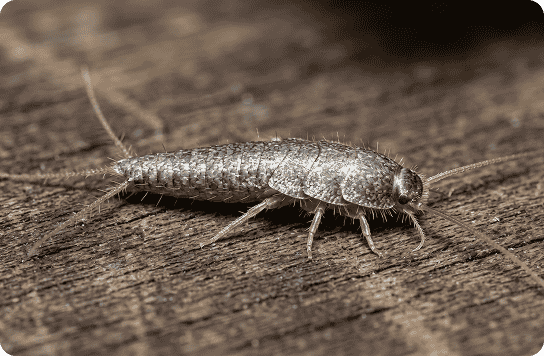
- Inspect roofs and gutters regularly to manage rain, snowmelt, and drainage problems before they lead to leaks.
- Check basement walls and windows for dampness, especially after heavy precipitation or thawing periods.
- Seal cracks and gaps around doors, vents, and utility openings to reduce drafts, water entry, and pest access.
- Maintain grading and downspouts so water moves away from the foundation rather than pooling near the home.
- Schedule seasonal property inspections in spring and fall to catch issues related to freeze-thaw cycles, moisture, and weather-related wear.
- Prepare for heat and humidity by servicing cooling systems and improving ventilation in upper floors and basements.
- Plan for winter conditions with safe walkways, stocked supplies, and attention to ice-prone surfaces.
Home maintenance in Windsor is best approached as a continuous routine rather than a once-a-year task. Spring is ideal for checking water damage and drainage after snowmelt. Summer is the time to focus on ventilation and heat management. Fall is a good period for sealing and weatherproofing before the colder months arrive. Winter maintenance should focus on ice control, insulation, and monitoring for leaks or condensation.
These steps are especially important across Windsor, Ontario and nearby parts of Essex County, where the combination of riverfront exposure, urban density, and surrounding rural terrain can influence how weather affects each property. A home near the Detroit River may face different wind and moisture issues than a house farther inland, so local observations matter.
When Climate Patterns May Raise Pest Pressure in Windsor
Pests and weather are closely connected in Windsor. Changes in temperature, humidity, and rainfall can create the conditions that bring animals and insects nearer to homes. For many property owners, this is where the conversation shifts from climate to practical protection, including pest control windsor.
Periods of standing water after storms or snowmelt can create breeding and nesting opportunities for unwanted species. Wet soil, clogged eavestroughs, and pooling water near foundations can all make properties more attractive to rodents and insects. Warm weather after rain can also trigger more visible insect activity around doors, patios, and vents.
In humid months, moisture can encourage ants to enter kitchens and wall voids while also creating favourable conditions for wasps to build nests around eaves, decks, and sheds. During cooler months, rodents often move into homes, garages, and basements. Cracks, utility penetrations, and weather-worn openings become important entry points when outdoor conditions become harsh.
Weather-related pests often show up after seasonal shifts. Heavy rain can scatter insects. Early cold snaps can send rodents indoors. Damp summers can intensify overall pest pressure. In Windsor, where the riverfront, Great Lakes conditions, and local humidity can combine in complex ways, staying ahead of these patterns is a smart part of property care.
For that reason, many homeowners treat pest prevention as part of broader seasonal planning. After storms, snowmelt, or long humid periods, it is wise to inspect the basement, check screens and vents, and look for signs of activity near the foundation. When weather patterns change, pest pressure often changes too.
Frequently Asked Questions
What is the weather near Windsor, ON like throughout the year?
The weather near Windsor, ON is influenced by a humid continental climate and the Great Lakes. Residents get cold winters, warm and humid summers, and variable spring and autumn conditions. The city’s location along the Detroit River helps moderate extremes, but seasonal temperature swings, precipitation, and weather variability remain part of everyday life.
What month is usually the warmest in Windsor, Ontario?
The warmest month is usually in the summer peak, often July or August, when average highs and lows hit their highest point and humidity levels are most elevated. During these months, Windsor can also see heat warnings and thunderstorms, especially when warm, moist air remains over the region.
How much snow does Windsor typically get in winter?
Windsor get snowfall in the winter months, but amounts vary from year to year because of the city’s milder winter climate and Great Lakes influence. Some storms bring only light accumulation, while others create more noticeable snow and wintry mix. Freeze-thaw cycles can be just as important as snowfall for everyday conditions and property maintenance.
How does Windsor’s humidity affect homes and basements?
High humidity can lead to basement dampness, mold, and condensation, and moisture buildup in lower levels of the home. In summer, damp air can make indoor spaces feel hotter and less comfortable. Over time, poor ventilation or drainage can raise property risk, especially in homes close to the riverfront or in areas with limited airflow.
Can weather changes increase the need for pest control in Windsor?
Absolutely. Shifts in weather can raise pest activity by pushing rodents and insects toward protection, food, and dampness. Standing water, strong rainfall, warm muggy stretches, and cold snaps can all prompt weather-driven pests to move indoors. That is why pest control windsor is often tied to proactive upkeep, sealing entry points, and checking homes after seasonal changes.
Mosquito Man Windsor
2485 Front Rd, LaSalle, ON N9J 2C5, Canada
+1 226-526-4711
https://maps.app.goo.gl/JwhSC65zfbLWNH6v7
https://mosquitoman.ca/pest-control/windsor/
42.2161228, -83.1003005