Forecast in Mississauga, ON: Year-Round Temperatures and Expected Conditions
224 King St W #2401, Toronto, ON M5J 0A6, Canada
+16472437241
https://maps.app.goo.gl/VbxNrosScd6ZL8U39
https://mosquitoman.ca/pest-control/toronto/
JJX7+23 Toronto, Ontario, Canada
Mississauga Weather at a Glance
Mississauga, Ontario sits on the western edge of Toronto beside Lake Ontario, and that position matters a lot for everyday weather. As part of the Greater Toronto Area, Mississauga shares many of the same weather trends as Toronto, Ontario, but the lakeshore influence can slightly moderate temperatures compared with inland Ontario cities. The result is a humid continental climate marked by distinct seasons, noticeable monthly temperatures, and regular shifts in precipitation, humidity levels, and temperature range.
For homeowners, weather is more than a comfort issue. It shapes indoor pest activity, outdoor pest pressure, and the timing of inspection, extermination, and preventive pest management. In Mississauga and across the GTA, colder months tend to drive rodents indoors, while the warm season brings higher pressure from mosquitoes, ants, spiders, cockroaches, and bed bugs.
If you are comparing pest control near me options or looking at pest control mississauga services, understanding the local climate can help you choose better service scheduling and more effective treatment options. Weather patterns influence infestation risk, and that makes climate-aware home maintenance especially important in this part of Southern Ontario.
Average Temperatures in Mississauga
Mississauga’s weather each month varies greatly through the year, with distinct seasonal swings in temperature highs and lows. While exact daily values vary, the overall pattern is consistent: cold winters, damp, unsettled springs, hot and humid summers, and cooler fall weather.
In winter, wintertime temperatures commonly stay below freezing overnight, especially during cold snaps. Snowfall is frequent enough to affect travel and property conditions, and the combination of snow and thaw-and-freeze cycles can stress foundations, vents, and seals. By spring, temperatures rise quickly, but the shift is uneven. April temperatures can feel mild one day and brisk the next, with rain, slush, and damp basements still common. Summer brings the highest typical temperature of the year, with Temperatures in July often warm enough for prolonged outdoor activity, especially when humid summer air pushes the humidex higher. By autumn, October temperatures cool noticeably, especially at night, setting off fall cooling and the first push of pests seeking indoor shelter.
These broad patterns shape how homes in Mississauga feel and how pests behave. The same seasonal conditions that create comfortable living for people can create pressure points for pests around attics, basements, kitchens, garages, and utility rooms.
Winter Months: Cold Weather, Snow, and Pest Pressure Indoors
Winter in Mississauga usually brings snowfall, icy sidewalks, and long stretches of below-freezing weather. In the GTA, winter weather often includes alternating cold snaps and mild spells, which means repeated freezing and thawing are common. These conditions can create small gaps around foundations, doors, and pipes, and they often push rodents closer to homes in search of warmth, food, and shelter.
This is when indoor infestations become more noticeable. Mice are especially active in older homes, row houses, and homes with unfinished basements. They may get in through tiny openings, and once inside, they may settle in insulation, storage areas, or wall voids. Winter is also a time when people spend more time indoors, which makes pest signs easier to spot: droppings, scratching noises, chewed packaging, and insulation damage.
For many homeowners, the winter season pest control in the GTA often centers on blocking entry points and prompt response. A well-timed inspection can reveal vulnerable areas before a minor rodent issue becomes a bigger problem. Because cold weather pushes pests indoors, winter https://oakville-onfj422.lucialpiazzale.com/how-to-stop-spiders-outside-of-your-toronto-home can be a strong time for preventive treatment and repair-focused home maintenance.
Spring: Thaw, wet weather, and Pest Activity
Spring in Mississauga is shaped by the spring thaw, longer daylight, and increased rainfall. As snow melts and the ground loses firmness, moisture seeps into basements, window wells, and exterior cracks. This humid setting tends to support greater pest movement, especially around the transition from outdoor hiding spots to indoor shelter.
This is the time when a lot of people first see ants and spiders. Ants frequently get active as soil warms and food sources return. Spiders may show up more often as they follow insect prey into garages, corners, and less-disturbed indoor spaces. In many homes, spring pest activity is less about one dramatic invasion and more about ongoing pressure at the edges of the structure.
Wet weather and thaw conditions can also uncover drainage and grading concerns that affect pest entry. If water pools near the base, pests and rodents may be drawn to sheltered, humid pockets. That makes spring a practical time for property checks, especially in basement-heavy homes and older subdivisions where cracks and moisture issues are more common.
Summer: Humidity, Warmth, and High Pest Season
Summer in Mississauga is balmy, often humid, and often punctuated by rainstorms. Summer humidity can make the region feel warmer than the thermometer suggests, and heat waves can stretch across several days. This combination raises both outdoor and indoor pest pressure.
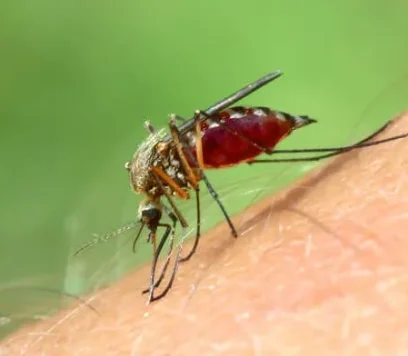
Mosquitoes breed when warm temperatures combine with standing water, especially after storms, heavy watering, or poor drainage in yards and laneways. At the same time, humid conditions can support higher activity from cockroaches, particularly around kitchens, drains, shared walls, and utility spaces. In apartment buildings, townhouses, and dense neighbourhoods across Mississauga and Toronto, these pests can move quickly between units and common areas.
The summer period is also the time when food handling and door traffic increase. Backyard gatherings, open windows, and frequent comings and goings all boost the chance that pests find their way inside. For that reason, summer is often the busiest period for service calls related to general pest pressure, especially when prevention was not completed earlier in the year.
For residents comparing pest services, summer is a good time to think not only about extermination but also about prevention. An early-season inspection and targeted preventive pest management can reduce the need for repeated treatments later.
Fall: Cooling Temperatures and Pest Migration Indoors
As fall cooling sets in, pests begin shifting behavior again. Cooling nights limit outdoor food and shelter options, and this triggers fall pest migration indoors. In Mississauga, this pattern is especially relevant in older homes, basements, and attached housing where entry points can be close to the ground or hidden behind finishes.
Mice are a major concern in fall, but they are not the only one. Cluster flies are well known for slipping into attics, wall cavities, and upper rooms as temperatures drop. They may not be harmful in the same way as rodents, but they can become a significant nuisance if they enter in large numbers. Fall is also when minor summer issues can turn into indoor problems as pests look for stable shelter before winter.
Because shifting weather are very apparent in the GTA during autumn, this season is typically the best time to carry out a detailed exterior check. Sealing gaps before winter arrives can reduce a lot of indoor pest activity later.
Why Mississauga’s Weather Affects for Pest Control Timing
In Mississauga, weather patterns and pest management are closely intertwined. The best approach usually depends on seasonal windows, not just on the pest itself. For that reason seasonal pest control works more successfully than reactive service alone. A planned approach helps match inspection timing to the periods when pests are most likely to travel, breed, or enter structures.
For instance, late winter and early fall are often ideal periods for preventive treatment. Late winter allows a technician to assess how homes have stood up through cold weather, while early fall is ideal for stopping rodents and overwintering insects before they move inside. In spring, service scheduling can focus on moisture-related risks and the first signs of ant or spider activity. During summer, the priority may shift toward reducing humid-zone pests, especially around kitchens, patios, and basements.
For homeowners searching pest control toronto cost or comparing service options in nearby neighbourhoods, the timing of the visit can influence the value. A strategically timed inspection may reduce the number of emergency calls later. In other words, good service scheduling is not just convenient; it can boost outcome quality.
Throughout the GTA, many providers build their work around the same local climate realities. Whether the issue is rodents in winter, ants in spring, mosquitoes in summer, or mice in fall, the right timing often matters as much as the right treatment options.
Regional pest control topics People Search in the GTA
People in the area often type in terms like pest control near me, pest control mississauga, and best pest control near me when a pest problem becomes urgent. Others search for pricing terms such as pest control toronto cost or broader searches like pest control cost ontario. These searches reflect a common pattern in the GTA: homeowners want quick responses, local service area coverage, and upfront clarity before booking.
This area shares seasonal pest pressure with Toronto, Brampton, and Hamilton, so it is no surprise that pricing and service questions often apply across these markets. Search intent also varies by pest type. Someone dealing with mice will ask a different question from someone trying to compare bed bug or cockroach services, and that determines what kind of estimate they expect.
How Much Does Pest Control for Mice or Bed Bugs?
One of the most common cost questions is how much is pest control for mice. The answer depends on access points, property layout, and whether the issue is contained or part of a larger nesting problem. A small entry issue may need simple exclusion work and a focused inspection, while a larger infestation may require multiple visits and more intensive follow-up.
Homeowners also ask about the cost of bed bug treatment, especially in dense housing areas. For bed bugs, pricing varies based on the treatment method, unit size, preparation requirements, and whether neighbouring spaces are involved. Searches for heat treatment for bed bugs cost and bed bug heat treatment toronto usually reflect a desire for a more rapid, more complete solution, but the final price depends on the property and the level of infestation.
Another frequent query is cockroach exterminator toronto cost. Cockroach work can vary widely because it often involves sanitation issues, harbourage zones, and repeat monitoring. The initial quote may not reflect the total service if the infestation is active across multiple areas. In all of these cases, the right estimate depends on the pest, the structure, and the scope of the problem.
Pest Control Prices Near Me: What Affects Cost
Searches like pest control prices near me and pest control near me prices usually mean the person wants a quick sense of regional market range before calling anyone. In Ontario, pest control cost ontario is determined by several practical factors: pest type, urgency, property layout, level of infestation, and the number of visits required.
Service size is especially significant. A single detached home in Mississauga may need a different scope than a townhouse, condo, duplex, or commercial property. Larger buildings often require more inspection time, more equipment, and more treatment steps. Location also matters. A service in central Toronto can differ from one in suburban Mississauga because access, building type, and pest pressure may not be the same.
People sometimes compare local pricing across cities to understand the market better. Searches such as pest control brampton prices and pest control hamilton prices are common, and some homeowners even check broader comparisons like pest control london ontario, pest control kitchener, pest control fredericton nb, adams pest control fredericton, and adams pest control moncton. These comparisons can be useful for context, but local climate, building stock, and service area logistics still play a major role in actual pricing.
How Mississauga Compares to Other Ontario Cities
Mississauga’s weather is softer than numerous inland Ontario places because of its location beside Lake Ontario, but it still tracks the same broad Southern Ontario cycle of cold winters, damp springs, mild summers, and cool falls. That means its pest patterns mirror those in Toronto, Ontario, Brampton, and Hamilton more than they resemble northern or more rural parts of the province.
Compared with pest control london ontario and pest control kitchener, Mississauga often sees similar urban pest dynamics, especially in multi tenant housing and older neighbourhoods. Compared with pest control brampton prices and pest control hamilton prices, the differences may come down less to weather and more to property types, density, and service demand. Across the GTA, the combination of urban growth, older basements, and changing seasonal conditions keeps pest control in ongoing demand.
The main point is that Mississauga is not an isolated market. It is deeply connected to the wider GTA service area, and that means many pest problems move across municipal lines just as weather systems do.
When DIY Makes Sense and When Exactly It Doesn’t
Some homeowners favor DIY pest control for minor problems, and in certain situations that can be a good option. Closing up a few cracks, improving sanitation, storing food properly, and monitoring for entry points are all helpful steps. But when people start looking into diy fumigation for mice, it is usually a sign that the issue has already become more serious than a basic home fix.
DIY methods can help with small prevention tasks, but they often come up short when there are hidden nests, repeated access points, or signs of recurring infestations. Mice, cockroaches, and bed bugs are especially difficult to eliminate without a structured plan. A professional exterminator can inspect the property more thoroughly, identify source points, and recommend a treatment plan that fits the home’s layout and the pest’s behaviour.
In short, DIY is ideal for prevention and slight issues. If pests come back repeatedly, or if there are signs of more extensive indoor movement, a professional service is usually the more secure and more effective choice.
Seasonal Insect Management Advice for Toronto-Area Homes
In Mississauga and the wider GTA, prevention is most effective when it follows the season. An effective plan for the year often includes a blend of sealing entry points, moisture control, and regular checks in likely harbourage zones.
- Sealing entry points: Inspect the foundation, utility penetrations, vents, garage doors, and window frames. Tiny openings may admit mice and other pests during fall cooling or winter cold.
- Dehumidifiers: Operate dehumidifiers in basements, laundry rooms, and damp storage spaces to reduce conditions that support cockroaches, spiders, and other dampness-seeking pests.
- Food storage: Keep pantry items sealed and off the floor. Good food storage lessens the attraction for rodents and helps prevent ants from settling in.
- Basement checks: Make basement checks part of routine home maintenance, especially after storms, during the spring thaw, and before winter. Watch for droppings, moisture, gnaw marks, or new gaps around pipes.
Seasonal pest prevention is not about responding strongly to every change in weather. It means understanding how the local climate influences pest behaviour and acting practically before the risk becomes a bigger problem. In Mississauga, that approach is especially useful because the city’s climate, housing stock, and location beside Lake Ontario create a predictable rhythm of pest pressure throughout the year.
FAQ
What does the weather feel like in Mississauga, ON over the months?
Mississauga has a moist continental climate with frigid winters, a wet and changeable spring, warm, muggy summers, and cooler autumns. Conditions shift consistently over the year, with below-freezing stretches in winter, gentle yet wet conditions in spring, hot days in summer, and dropping temperatures in autumn.
Which months are the coldest and which are the warmest in Mississauga?
The chilliest times are generally January and February, when seasonal temperatures are often under 0°C. The hottest times are typically July and August, when daytime and evening readings rise into the hot season and summer humidity can leave the air feel even hotter.
How does Mississauga weather affect pest activity in homes?
Climate has a direct effect on indoor pest activity and outdoor pest activity. Winter cold pushes rodents indoors, spring thaw and rainfall can increase ants and spiders, humid summer air and heatwaves can boost mosquitoes and cockroaches, and fall cooling causes mice and cluster flies to move indoors.
When is the ideal time to book pest control in Toronto or Mississauga?
The optimal period is determined by the issue, but the late winter period, spring’s start, and the fall season are often effective windows for checking and preemptive service. Those seasons let homeowners get ahead of seasonal conditions that drive infestations, especially in the Greater Toronto Area.
How much does pest control usually cost in the GTA?
Costs differ based on what pest is involved, service scope, the layout of the property, and risk level. Searches like pest control toronto cost, pest control cost ontario, and pest control prices near me indicate that pricing is not standardized. Mice, bedbug infestations, and roach infestations each have distinct treatment options and may require different levels of service.