How to Block Cabinet Pests in Your Brampton Kitchen
What are stored product pests and how do they invade Brampton homes?
Stored product pests are stored product pests that feed on shelf-stable foods kept in cupboards, cupboards, drawers, and utility spaces. In Brampton homes, they often enter via food packaging that already contains eggs or larvae, or they slip in through small entry points around windows, vents, baseboards, and utility lines. Once inside, they can spread from one product to the next and cause a pantry infestation before you notice anything unusual.
Because Brampton is part of the Peel Region and the wider GTA, homes often have regular turnover in groceries, takeout packaging, and household movement. In detached homes, pests may start in a single cupboard and expand into multiple storage areas. In townhouses and condo units, shared walls and tight storage spaces can make it easier for a problem to go unnoticed until several items are affected. That is why pest control Brampton services often focus on both the infestation and the conditions that let it start.
Pantry pests do not usually come from dirt alone. They are often linked to food contamination during production, shipping, or storage. A bag of flour, rice, or cereal can look sealed and clean while still holding eggs that hatch later in your kitchen. Warm indoor temperatures, especially during Ontario’s heating season, can speed up development and make the problem appear to “suddenly” get worse.
Which food pests show up most often in Ontario kitchens?
The most frequent pantry pests in Ontario kitchens include Indian meal moths, flour beetles, weevils, and grain beetles. Every one responds a little differently, but all of them target stored foods and can cause ruined food and recurring clean-up if not addressed properly.
Indian meal moths are among the easiest to spot because the adults are small moths that may fly around the kitchen or rest on walls and ceilings. Their larvae often develop in cereal, flour, nuts, dried fruit, and pet food. Webbing is a clear indicator when the infestation is more advanced.
Flour beetles are tiny, reddish-brown beetles that move through baking supplies and dry mixes. Weevils are often found in grains and rice, and they may appear as small beetles with a distinct snout. Grain beetles are also attracted to pantry staples and can spread quickly between boxes and bags stored nearby. These pests are difficult because they can be hidden inside infested dry goods before you ever see the insect itself.
In Brampton kitchens, the mix of large family pantries, shared condo storage, and frequent grocery restocking can make these pests harder to track. If you are comparing best pest control Brampton options, pick a service that understands how pantry pests differ from other household pests and can pinpoint the source clearly.
What are the earliest indications of a pantry pest infestation?
The earliest clues are usually easy to miss. Check for webbing within or around package seams, tiny larvae in dry foods, holes in packaging, and bits or dust that suggest contaminated dry goods. You may also notice small flying moths close to a light fixture, or beetles crawling on shelves, countertops, and inside cupboards.
Another common clue is sawdust-like debris near grains, flour, cereal, or pet food. This can indicate that insects are feeding and shedding material inside the package. In some cases, the food may seem normal on the outside but contains movement, silken threads, or tiny insects when opened.
Be mindful of areas where food is stored for a long time. Items that have been in the pantry for months, forgotten holiday baking supplies, and open bags clipped shut but not sealed can all hide activity. In a busy Brampton home, pantry pests can be mistaken for spilled crumbs until the infestation grows larger. Spotting it early helps prevent a deeper food contamination problem and minimizes the chance of reinfestation later.
How can you eliminate pantry pests without spreading them?
The most cautious approach is to respond promptly and do not carry infested items around the kitchen. Start with source removal: examine every suspect package, then discarding infested food in an outdoor bin or sealed bag so pests do not move back into the home. If you are unsure, it is usually better to throw out any item that shows webbing, larvae, or active insects.
Next, do a thorough vacuuming of shelves, corners, drawer tracks, and cracks where crumbs collect. Focus on seams, shelf pin holes, and the space beneath appliances. Use a vacuum with a crevice tool so you can extract eggs, larvae, and debris from hidden areas. After vacuuming, seal and remove the vacuum contents right away.
Then move to deep cleaning and sanitation. Wipe shelves with warm soapy water and then sanitize shelves to remove residues that may lure pests. Clean under containers, in hinge areas, and around baseboards. For a more complete result, inspect the pantry from top to bottom rather than just the obvious shelves.
It also helps to freeze items you want to save, especially dry goods that may have been exposed but not heavily infested. Freeze dry goods for several days when appropriate, following food safety guidance for the item. This can help interrupt the pest lifecycle if you catch the problem early.
If you are dealing with repeated activity, a professional pest inspection may be the fastest way to confirm where the pests are coming from and whether hidden food sources remain. This is especially useful in townhouses and condo units where the source may not be obvious.
What should you check first in a Brampton kitchen?
First inspect the foods pantry pests target most often: flour, rice, cereal, and pet food. These products are often affected because they are low-moisture, grain-based, and stored for extended periods. Baking ingredients, pancake mix, pasta, nuts, dried fruit, spices, oatmeal, bird seed, and snack foods should also be checked thoroughly.
In Brampton kitchens, it is a good idea to check every package that has been opened or transferred into a cupboard for an extended period. Smaller bags tucked into the back of a deep pantry can become forgotten, and that is exactly where pantry pests like to develop. Pet food is especially important because it is often stored in large bags and accessed daily, which makes it easy to overlook signs of activity.
Check the seams, corners, and bottoms of each container. If you find webbing, live insects, dust, or damaged packaging, consider nearby items may also be affected. When in doubt, inspect the entire shelf because pests can move between products rapidly.
How should you keep pantry supplies to stop future infestations?
The top prevention is to keep using airtight containers for all opened dry goods. Better yet, choose sturdy food-grade storage containers that close tightly and are easy to inspect. Glass jars are a great option for flour, rice, pasta, cereal, and snacks because you can see what is inside and catch pests early.
Place new groceries separate from older items until you check them. One of the most effective habits is FIFO rotation—first in, first out—so older food gets used before newer purchases. This minimizes the chance that older packages sit untouched long enough for pests to appear.
For extra protection, freeze dry goods before long-term storage when it makes sense for the product. This can help decrease the risk of bringing hidden eggs into the pantry. Also, avoid storing food directly in original cardboard boxes for long periods, since pests can damage weak packaging or hide in folds and seams.
Good storage works best when paired with kitchen sanitation. Remove spills promptly, wipe crumbs from cupboard edges, and keep shelves dry. In Brampton, where seasonal temperature changes can affect indoor humidity and food habits, these routines matter throughout the year.
When should you contact pest control Brampton for kitchen pests?
You should reach out to pest control Brampton when the infestation keeps returning, when you are unable to locate the source, or when the problem seems too extensive to deal with by yourself. A professional inspection is most beneficial if you have already cleaned out the pantry but still see moths or beetles after a few days.
Professional help is worthwhile if you are experiencing recurring infestations, several affected cupboards, or problems that occur in several rooms. In condo units and townhouses, pantry pests can move through dense storage areas and shared building conditions in ways that make DIY treatment less reliable. A technician can outline likely available treatments, find hidden food sources, and recommend a prevention strategy.
For residents evaluating local providers, it can help to look at the larger GTA picture as well, too. Some homeowners compare Orkin Brampton with Orkin Mississauga and Orkin Toronto, or consider Orkin Canada more broadly. Other people also evaluate Abell Pest Control Brampton and ask whether the company has the right experience with pantry pests rather than only general insects or rodents.
If you are still using pest control Brampton kijiji ads, proceed with caution. Budget listings may not offer the follow-through necessary for pantry pests, and this problem often needs both source removal and prevention advice. The right company should be able to outline the process clearly and tell you what to do with food, shelves, and storage containers.
If you need a simple contact method for a bigger service provider, some property owners look for the Orkin Canada email to ask for service particulars or ask about pantry pest management. The main goal is to select a professional that understands your home layout and the scope of the infestation.
How much does pest control Brampton cost for pantry pest infestations?
pest control Brampton prices for pantry pests vary with the service scope, how severe the infestation is, and whether you need a follow-up visit. The pest control Brampton cost can also differ according to whether the company is dealing with one storage area, more than one room, or a more spacious home where pests have moved into several storage spaces.
For a basic case, the job may include inspection, sanitation advice, and a single treatment or inspection visit. Harder cases can demand repeated visits, follow-up treatment, and help identifying the original cause. If pests have contaminated many goods, the biggest cost may actually be spoiled food and time spent tidying, not just the service itself.
When comparing quotes, ask what is included. Some companies may bill for the inspection separately, while others bundle it with treatment. Ask whether monitoring traps, reinspection, or prevention advice is part of the package. A quote that looks cheaper upfront may cost more if it does not include follow-up support.
Bear in mind that the lowest advertised price is not always the best value. Good pantry pest service should reduce the risk of reinfestation, not just eliminate visible insects for a few days.
How do Brampton pest control companies compare?
When evaluating Brampton pest control companies, move past the brand name and focus on experience, service clarity, and follow-up support. Some people begin by comparing Orkin Brampton with other regional options, while others look at Abell Pest Control Brampton because it is a familiar name in Ontario pest management.
Looking into Abell Pest Control reviews can give you a sense of how the company communicates, how quickly it responds, and how it handles recurring issues. It is also worth checking Abell Pest Control prices against what is included in the service rather than only the headline amount. Some providers offer broad services that may not be specific enough for pantry pests, while others offer more targeted help.
Location coverage matters as well. If a company lists multiple branches or service areas among its Abell Pest Control locations, that https://richmond-hill-onvf857.quantlynix.com/posts/pest-solutions-in-brampton-options-costs-and-area-advice can be valuable if you also need support in nearby areas. Some homeowners compare Abell Pest Control Windsor or Abell Pest Control Collingwood to understand how the company operates across different Ontario markets, even if their own service call is in Brampton.
Mosquito Man Brampton16 Rutherford Rd S Unit 203, Brampton, ON L6W 3J1, Canada
https://mosquitoman.ca/
+16472437241
P726+M5 Brampton, Ontario, Canada
https://maps.app.goo.gl/yYb1hcQZ8RbdgabW8
For regional comparison, it is common to see homeowners compare pest control Mississauga and Brampton providers because the problems and housing styles are alike across the western GTA. The main point is to choose a company that can identify pantry pests quickly, outline prevention simply, and help you after the first visit.
Can pantry pests come back after treatment?
Indeed, pantry pests can come back if any source remains. Reinfestation usually happens when a few contaminated packages are missed, when stored food is moved back into unclean shelves, or when an insect life stage survives in a hidden crack. That is why pest removal must include source elimination instead of only applying treatment to visible insects.
After treatment, use monitoring traps to help you verify whether activity is still present. These traps are useful for tracking moths and some beetles, especially in a pantry where the source may be hard to find. They work best when combined with kitchen checks and regular cleaning.
Strong kitchen hygiene makes a significant difference. Wipe shelves, remove crumbs, check expiration dates, and store dry goods in sealed containers. In Brampton homes, especially busy family kitchens, even small lapses in cleaning can give pantry pests another chance to reappear.
In detached homes, repeated issues often come from a single overlooked item. In condo units, the problem may be harder to isolate because food storage areas are tighter and the same cupboards are used daily. In both cases, prevention is more reliable when you pair cleaning with ongoing monitoring.
Are there pantry pests the same as mice or other pests around the home?
Pantry pests are different from mice, but the problems can coincide. Pantry pests are grain pests that target dry food, while rodents need different control methods. If you see mouse droppings, gnaw marks, or chewed nesting material, you may need mice control Brampton rather than pantry pest treatment.
It is also feasible to have cross infestation in that very same kitchen. For instance, mice can contaminate food-storage areas, and pantry pests can move through unsealed packages nearby. That means a thorough inspection should look at simultaneously food safety and pest entry routes. If pests are appearing in cupboards and you also spot signs of mice, the issue is more serious than a one insect problem.
The key difference is the control strategy. Pantry pests usually require removing contaminated food, sanitizing, and better storage habits. Rodents require sealing holes, trapping, and often a more structural response. If you are not sure what you are dealing with, a expert pest inspection can identify the issue quickly.
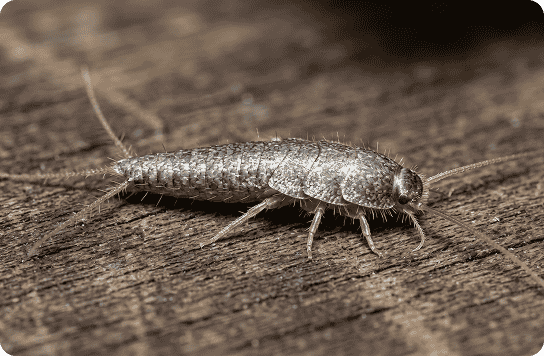
What area Brampton conditions make pantry pests more likely?
Various local factors can make pantry insects more likely in Brampton. Being in the GTA, Brampton has plenty of quick access to grocery stores, which can encourage frequent buying and storing of numerous dry goods at once. In GTA homes, that often means more packaging, more pantry turnover, and more chances for a contaminated item to enter the kitchen unnoticed.
Seasonal temperature variations also count. In the summer, pests may grow faster in indoor storage. During colder months, indoor heating can make kitchens heated and dry, which can still sustain pantry pest activity and lead people to stockpile food in cupboards for extended periods.
Shared housing may introduce additional risk. Within condos and stacked townhomes, storage areas are often limited, and residents may share walls, hallways, or service areas. Although pantry pests usually start in food packages, the close layout of the building can make it harder to spot the source early.
Food storage habits matter too. Large family households may shop in large quantities, put away surplus items in basements or secondary cupboards, and lose track of older packages. A better storage routine, combined with regular checks, can keep the small issue from becoming a larger pantry infestation.
FAQ
How do I know if I have pantry pests or just spilled food in my kitchen?
A spill usually looks like bits or powder and does not move. Pantry pests often leave signs such as webbing, larvae, small beetles, holes in packaging, or sawdust-like debris. If you see insects in flour, rice, cereal, or pet food, it is probably a pantry pest issue rather than a simple spill.
Do I need to throw out all my food if I find pantry pests?
No, not usually. You should discard anything that is clearly infested or shows webbing, larvae, or active insects. Unopened items and food stored in airtight containers may be safe, but check them closely. When in doubt, inspect every item individually instead of emptying the whole kitchen unnecessarily.
What is the fastest way to get rid of pantry pests in Brampton?
The quickest approach is source removal, followed by deep cleaning. Throw out infested dry goods, vacuum crevices, wipe and sanitize shelves, and move good food into airtight containers. If the problem keeps showing up, call pest control Brampton for a professional inspection and treatment options.
Are pantry pests covered by regular pest control services?
Sometimes, but not always in a detailed way. Some regular pest control programs cover general insects, while pantry pests may need a more specific food-source inspection and follow-up. Always ask whether the service includes pantry-specific cleanup guidance, monitoring traps, and reinspection if needed.
How can I prevent pantry pests from coming back after treatment?
Use airtight containers or glass jars, practice FIFO rotation, inspect groceries before storing them, and keep shelves clean. Continue monitoring for activity, especially in warm months or after restocking. Good kitchen sanitation and source elimination are the best ways to reduce reinfestation.